Ham removals in Ham

Ham removals in Ham should feel organised, careful and straightforward from the first enquiry to the final placement of each item. We provide removal support for households and smaller moves, with practical help for lifting, loading, transport and unloading. The service is built around moving furniture and boxed belongings safely, while keeping the plan simple for customers who want a tidy, reliable move without unnecessary complications.
Our removal work can suit a range of property sizes and access arrangements, from compact flats to family homes, and can be arranged alongside packing help when required. If you are moving within the area or making a longer journey, the aim is the same: sensible handling, clear communication and a vehicle set-up that matches the job. For a broader overview of what we offer, you can also read about our removal services.
When you are ready, request a quotation with the details of your move and the items that need transporting. A short description of what needs moving, any awkward access and the approximate volume of furniture will help shape a more accurate plan. If you prefer to compare move types first, our pages on home moves and house removals explain the domestic side of the service in more detail.
Domestic removals planned around your home move
Domestic removals often need a balance of speed, care and enough flexibility to fit the property. We can help with everyday household furniture, personal effects and larger items that need two-person handling. The service is designed to reduce the amount of lifting and vehicle planning you need to manage yourself, while still keeping the move focused on the items that matter most. In practice, that means a structured load and a clear order for unloading.
For customers comparing options, it is useful to separate the move into key pieces: what is staying, what is travelling and what needs extra handling. Sofas, beds, wardrobes, white goods and packed boxes can often be moved together, but heavier or more fragile pieces may need special attention. If your move includes bulkier furniture, our furniture removals page outlines that part of the service, while furniture pick-up is useful for standalone collection jobs.
Our domestic approach is intended to keep the move practical rather than overcomplicated. We can work with straightforward removals and with situations where access is tighter, for example where items must be carried through communal entrances or up stairways. The essential point is to keep each part of the job matched to the right level of care so that the transport process remains orderly and manageable.
Loading, transport and unloading with sensible handling

Once the move is underway, loading and transport become the centre of the job. We organise the vehicle space so that larger items are positioned securely and smaller boxes are kept in a sensible order for unloading. This matters not only for safety during transit, but also for efficiency when the destination property needs items placed in a particular room or on a certain floor. Clear sequencing can save time and reduce unnecessary handling.
Not every move needs the same amount of manpower or vehicle capacity. Some customers simply need a man and van style service for a small load, while others benefit from a larger removal set-up for a fuller household inventory. We also support enquiries for people who may want a man with a van arrangement, which can be a practical option where the task is modest and the load is well defined. The key is selecting the right scale for the move, not adding unnecessary complexity.
Good unloading is just as important as the journey itself. Items should be taken into the property in a controlled order, especially where there are narrow halls, delicate flooring or rooms that are already partially furnished. A careful unloading plan helps keep the property clear and reduces the risk of avoidable knocks. If you are reviewing move sizes, our removals page gives a wider view of the service family.
Packing support and preparation before moving day
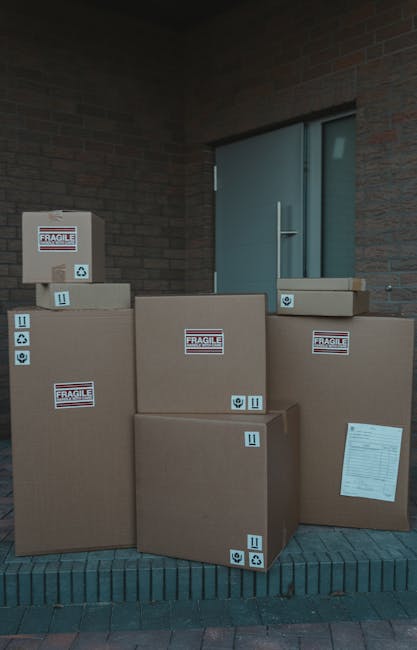
Packing is often where a move becomes either smooth or stressful, depending on how early the preparation begins. We can support customers who want help with boxes, wrapping and organised packing, particularly where breakables or mixed household contents need a more considered approach. A sensible packing plan can protect items during transit and also make unloading much easier because rooms can be identified from the labels and box grouping.
A practical preparation list can keep the move on track:
- Separate items that will travel from items that will stay behind
- Box small belongings by room so they are easier to place on arrival
- Keep essential documents and valuables with you rather than in the van
- Make sure larger furniture is emptied or made ready before collection
- Check access, parking and any building rules that may affect loading
If you would prefer support beyond the transport stage, our packing and boxes page describes the packing materials and preparation side of the service, while packing and unpacking services covers a fuller end-to-end approach. You do not need to prepare everything perfectly before asking for a price, but the more accurately the contents and access are described, the easier it is to plan responsibly.
Prices, scope and what affects a quotation

A removal quotation usually depends on the size of the load, the time needed, the number of people required and the practical challenges involved at each address. Stairs, long carries, parking distance and awkward or fragile items can all change the amount of work involved. Rather than guessing, it is better to describe the move clearly so that the quote reflects the real task rather than a rough assumption.
For customers who want to compare service levels, our pricing and quotes page is the best place to start. It explains the quotation process and helps set expectations around how a removal request is reviewed. If you are considering additional support such as storage or a different vehicle type, those choices can also affect the overall plan. That is why a well-written enquiry should mention the destination, access and any item that may need special handling.
Useful information for an accurate quote includes the number of rooms involved, the main furniture pieces, whether packing is required, and whether either property has restrictions on loading or parking. A brief list is often enough to begin with, and photos can help where the layout is awkward or the furniture is unusually large. When you are ready to discuss the details, our contact us page is available for the final stage of the enquiry.
About Ham
Ham is a riverside suburb in the London Borough of Richmond upon Thames, set on the south side of the Thames between Richmond and Kingston. It has a distinctive mixture of village character and suburban housing, shaped by long links to the river, common land and the nearby open spaces of Richmond Park and Ham Lands. The area includes a conservation area around Ham Common, a historic green space that has long acted as a focal point for local life, while the surrounding streets contain a varied pattern of interwar houses, later infill development and older surviving buildings. The parish church of St Andrew, with origins in the medieval period, reflects the area’s long-established settlement history, and local streets preserve a quieter residential atmosphere than the busier commercial centres nearby. Ham House, a 17th-century mansion in nearby Petersham, is one of the best-known historic houses in the wider locality and contributes to the area’s architectural interest. The river landscape, open common and tree-lined roads make Ham feel distinct within southwest London, with everyday movement still influenced by footpaths, green edges and the boundary between urban and riverside environments.
Furniture removal options for homes and flats
Not every move involves a full household inventory. Sometimes the most useful service is simply the removal of a few large pieces that cannot be moved easily in a car. We can handle sofas, tables, beds, wardrobes and other bulky items as part of a focused furniture job. This is often useful when replacing old pieces, combining a move with a clear-out, or moving between homes without needing a full packing operation.
For smaller domestic moves, a lighter setup may be enough, but the items still need handling in a sensible order. Heavy furniture should be protected from unnecessary dragging, and smaller items should not be placed where they can shift during transport. If your job is closer to a point-to-point collection than a house move, our man with van option and moving truck page may help you compare vehicle-led solutions before you ask for a quotation.
We also support customers who need a more complete solution for larger or more complicated households. That can include a combination of dismantling-ready furniture, boxed contents and items that need to be moved in stages. The aim is always to match the service to the actual load, so the move stays efficient without paying for more capacity than is needed.
Storage, timing and staged moving plans

Some moves are straightforward and completed in one journey, but others need a staged approach. Storage can help where dates do not line up perfectly, where a property is not ready, or where only part of a home is moving at once. In these situations, the removal plan should account for both collection and later delivery so that belongings remain organised and easy to identify.
If you want to understand how a longer or split move might work, our storage page provides a useful starting point. It is particularly relevant where furniture must be held between addresses while paperwork, keys or completion timing are being finalised. Customers who are planning a move with limited overlap between homes can benefit from this kind of staged arrangement, especially if larger items would otherwise be left in the wrong place at the wrong time.
A staged plan can also be useful for people moving from a larger home into something smaller. In that case, it is sensible to decide in advance what will be transported, what will be stored and what will no longer travel. That approach reduces confusion on the day and makes the final delivery easier to arrange. Clear sorting at the planning stage is often the difference between a manageable move and a rushed one.
Office and commercial relocation support
Although this page focuses on domestic moving, our service also includes support for workspaces that need careful relocation. Office moves require a different rhythm from household removals because desks, chairs, filing items and equipment may need to be handled around business hours or in a defined order. The priority is to keep the move controlled so that the workspace can be reassembled with as little disruption as possible.
For businesses comparing options, the relevant pages are office removals and office relocation services. Those services are suited to organisations that need help moving furniture and workplace contents between premises. If the move is part of a wider operational change, then planning the sequence of loading and unloading becomes especially important because equipment and records may need to be delivered in a particular order.
Commercial removals can also involve different access requirements from domestic work, such as shared entrances, lift use or timed access windows. The move therefore benefits from clear preparation and a realistic sense of what can be completed within the available slot. The more accurately the job is described, the easier it is to match the service to the space and the volume involved.
Specialist and urgent removal work

Some items need more specialist handling than a standard furniture move. Pianos, for example, are heavy, awkwardly balanced and unsuitable for casual lifting, so they need a more careful plan than ordinary furniture. A specialist removal approach is also useful where the timetable is tight and the move has to be completed within a narrow window. In both cases, the aim is to keep the handling measured and the loading sequence under control.
If your job includes a difficult item or a faster turnaround, the relevant pages are piano removals and same day removals. These services cover very different needs, but both benefit from precise information at the outset. For a specialist item, the details should include access constraints and weight or size considerations. For an urgent move, the important point is the volume of items and the timing required.
Before booking any specialist move, it helps to decide whether the whole job needs extra care or only one part of it does. A single item might be the challenge, while the rest of the load is simple. In that case, the move can often be planned around the item that needs the most attention rather than treating every object as equally difficult. If you are ready to compare dates and scope, ask for a quotation today.