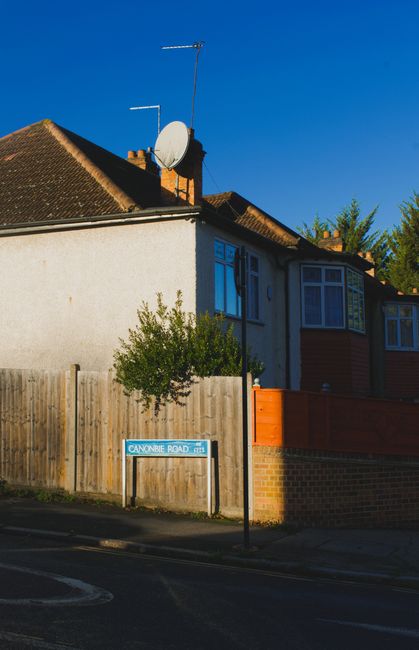
Complete house removals guide for Ham TW10 access
If you are planning a move in Ham TW10, access is usually the part that decides whether the day feels calm or chaotic. A removal team can be efficient, experienced, and well prepared, but if a van cannot park close enough, a staircase is awkward, or a narrow approach road slows everything down, the whole schedule can wobble. That is exactly why this Complete house removals guide for Ham TW10 access matters. It is not just about lifting boxes. It is about planning the route, understanding local access quirks, choosing the right vehicle, and making sure your moving day runs with fewer surprises.
In the real world, removals are rarely difficult because of the boxes themselves. It is the front gate that sticks, the tight turning space, the shared driveway, the basement flat, the neighbour who parks in the wrong place at 7:30 in the morning. You know the sort of thing. This guide walks through the practical details people often overlook, from access checks and parking considerations to packing, risk reduction, and when to consider services like home moves, house removals, or man and van support. Straightforward, local, and useful.
Why Complete house removals guide for Ham TW10 access Matters
Ham TW10 is one of those places where the details genuinely matter. Some roads are straightforward, others are a bit tighter than they look on a map, and access can vary from one property to the next. A terraced house with limited kerb space is a different job from a detached home with a driveway, and both are different again from a top-floor flat where the lift is small and the stairwell curves awkwardly. The move itself may be simple. Getting the vehicle, furniture, and people to the door safely is the bit that needs thinking through.
Access planning matters because it affects time, labour, protection of belongings, and even the stress level of the day. If the van has to park far away, the team may need more carrying time. If large furniture cannot pass through a hallway without turning, it may need extra handling. And if you only realise that after the truck arrives, everything becomes a rush. Nobody wants that at 8 a.m. with the kettle packed in a box somewhere.
It also matters for safety. Narrow access points, steps, wet paving, low walls, awkward corners, and busy residential streets can all create small but real hazards. A good moving plan reduces the chance of damage to walls, banisters, door frames, and the items themselves. That is why experienced movers often ask detailed questions before move day and may suggest packing and boxes help, furniture removals support, or even storage if access timings and completion dates do not quite line up.
Expert summary: in Ham TW10, a smooth house removal usually depends less on distance and more on access. Measure it, picture it, and plan for the awkward bit before the crew arrives.
How Complete house removals guide for Ham TW10 access Works
At its core, a house removal with access planning works in stages. First, the property is reviewed so the team understands the size of the home, the amount of furniture, and the likely access constraints. Then the right vehicle and crew size are chosen. After that comes preparation: packing, dismantling, labelling, protecting items, and confirming the sequence of loading so the heaviest or most fragile items do not become a problem later.
For a local move in Ham TW10, the removal company may also look at parking options, driveway width, stairwell access, and whether there is a lift, side path, or rear entry. That sounds a bit obvious, but the small stuff is often where moves succeed or fail. A sofa that fits the doorway with the legs removed is a simple example. A wardrobe that does not clear the landing turn is not. Truth be told, these are the moments that separate a relaxed move from a half-day puzzle.
The process usually follows a sensible pattern:
- Assessment: confirm the number of rooms, bulky items, and access points.
- Planning: choose the vehicle, crew, and timing that suit the property.
- Packing and preparation: secure boxes, wrap fragile items, and dismantle what needs to come apart.
- Loading: move items in a safe order, starting with the largest and most stable pieces.
- Transport and delivery: manage unloading, positioning, and any final placement requests.
If the access is especially tight, a smaller vehicle such as a removal van or a flexible man with van option may suit better than a larger truck. In other cases, a full-scale team and moving truck are the smarter choice. It depends on the house, not just the postcode.
Key Benefits and Practical Advantages
A good access-aware removal plan does more than save time. It makes the whole day feel manageable. You are less likely to end up with last-minute lifting dilemmas, fewer items need repeated handling, and the move can usually be completed in a more orderly way. That is a very real benefit when you are already juggling keys, utilities, school runs, work calls, and the general emotional mess that comes with leaving a place you have lived in for years.
Here are the most useful advantages:
- Less physical strain: shorter carrying distances and clearer routes reduce unnecessary lifting.
- Lower damage risk: careful access planning helps protect walls, furniture, and flooring.
- Better time control: the team can work in a more predictable rhythm when access is understood early.
- Smarter vehicle choice: the right vehicle avoids wasted journeys or parking headaches.
- Cleaner decision-making: you can decide whether to use full removal services, a lighter man and van setup, or add packing and unpacking services.
There is also the emotional benefit, and let's not pretend that is minor. When the logistics are under control, you can breathe a bit. You notice the move is happening, but it is not running you. That matters more than people think.
Who This Is For and When It Makes Sense
This guide is for anyone moving a house in Ham TW10 where access could affect the job. That includes families moving between houses, downsizers leaving a larger property, first-time buyers, renters with a fair amount of furniture, and people moving on a deadline. It also suits anyone who knows their street, driveway, or entrance is not the easiest. If you have ever had to angle a sofa through a hallway with barely an inch to spare, you already know why this matters.
It makes particular sense if:
- your property has narrow or shared access;
- parking is limited near the front door;
- you live in a flat or maisonette with stairs or a small lift;
- you have bulky furniture, a piano, or fragile items;
- you need timed loading because of work, childcare, or tenancy handover;
- you are comparing house removalists and want a better feel for what they actually handle.
It is also useful if you are not sure whether you need a full house removal or something smaller. Sometimes the right answer is a compact crew and van. Sometimes it is a broader package with packing support, furniture handling, and maybe even short-term storage. Neither is wrong. The point is to match the service to the real access conditions, not to guess and hope.
Step-by-Step Guidance
Here is a practical way to plan a house move in Ham TW10 without overcomplicating it.
1. Walk the property with access in mind
Stand at the front door and look at the move as if you were carrying the largest item first. Ask yourself: where will the van stop? Is there enough space for a ramp? Are there steps, low walls, tight corners, or a narrow passage? That one-minute scan can save a lot of grief later.
2. Measure the awkward items
Measure sofas, beds, wardrobes, mirrors, and anything tall or heavy. Measure doorways and stair turns too. If an item may need to be dismantled, say so early. A quick check now is far better than a stubborn wardrobe standing in the hallway like it owns the place.
3. Decide on the right move type
For a full family house move, a structured team may be best. For a lighter load, a removals service or man with a van could be enough. If you are comparing wider options, take a look at removal companies that explain clearly how they handle access, parking, and loading.
4. Pack for access, not just storage
Boxes should not be too heavy, especially if they will be carried upstairs or along a long path. Put fragile items in clearly marked boxes. Keep a small essentials bag separate. If the move is large, packing and boxes support can make the whole day smoother.
5. Book around parking and timing
Earlier starts can help, but only if the access actually works at that time. A quiet residential street may still have school traffic, bin collections, or neighbour parking to deal with. A move that begins a little later but with clear access can be faster overall. It sounds backwards, yet it often is true.
6. Protect the property
Use floor runners, padding, and door protection where needed. Good movers usually bring their own protective equipment, but you should still confirm this. If the access point is tight, corners and banisters deserve extra care. You do not want a fresh scuff on the wall two minutes after moving in. No one does.
7. Unload by priority
When you arrive, decide what needs to come off first: beds, kettle, bedding, kids' essentials, maybe the dining table if you are expecting help later. A little order at the destination prevents the classic "where is the charger?" spiral.
Expert Tips for Better Results
In our experience, the best moves are the ones where people ask slightly awkward questions before the move day rather than after. A few useful tips:
- Take photos of access points. A few phone pictures of the driveway, stairwell, and main doorway can tell more than a long email.
- Leave a route clear the night before. Shoes, plant pots, recycling, and hallway clutter all slow things down. Little things, big difference.
- Keep key items in one labelled box. Kettle, mugs, toiletries, phone charger, medication, and basic snacks should not be hidden in box number 14.
- Check whether furniture needs dismantling. If a bed frame or large wardrobe might be awkward, deal with it before the van arrives.
- Match vehicle size to the street. A smaller vehicle can sometimes be quicker if the road is tight. Bigger is not always better here.
- Allow a buffer. Moves rarely run to the second. Give yourself a bit of room, especially if you are dealing with stairs or parking constraints.
One thing people often miss: access is not static. Morning parking may be easier than late morning. The route from the front door may feel simple until a neighbour has left a bike, bin, or trailer in the way. It happens. Planning for the ordinary disruptions is what keeps the day steady.
Common Mistakes to Avoid
Most removal problems are preventable. Not all, but most. The most common mistakes are usually very human ones: underestimating size, forgetting parking, leaving packing too late, and assuming everything will fit first time. A bit optimistic, perhaps.
- Not checking access in advance. A property can look easy until the team arrives and finds a narrow turn or limited stopping space.
- Choosing the wrong vehicle. A van that is too large can be awkward to position; one that is too small can mean extra trips.
- Overpacking boxes. Heavy boxes are slow to carry and easy to drop. Keep them manageable.
- Leaving dismantling too late. Furniture that should be taken apart before move day often becomes the source of unnecessary delay.
- Ignoring fragile access points. Glass panels, awkward landings, and narrow doorframes need specific care.
- Not asking about insurance and handling. If you need reassurance, check how the company manages cover and safety. The page on insurance and safety is a sensible place to start.
One small mistake can snowball. A badly packed box leads to two people carrying it slowly. That delays the loading sequence. Then the van leaves later. Then the handover window gets tighter. Suddenly everybody is checking the time every five minutes. You can feel it. Best avoided.
Tools, Resources and Recommendations
You do not need a warehouse of equipment to organise a clean move, but a few items make a huge difference.
- Measuring tape: for doorways, furniture, and awkward corners.
- Marker pens and labels: for room names and fragile items.
- Wrapping materials: blankets, bubble wrap, and paper for protective packing.
- Tape and cutters: useful, but keep them sensible. Nothing fancy required.
- Phone camera: great for recording access, parking, and the condition of valuable items before moving.
- Checked route plan: know where the van is likely to stop and how items will be carried inside.
If you want a more complete move, combine those basics with specialist support. For example, packing and unpacking services can reduce the stress load, while furniture removals are useful when you have a lot of large items that need careful handling. If timing is tight, same day removals may be worth discussing, though those jobs need very clear access and realistic expectations.
Law, Compliance, Standards, or Best Practice
For a domestic house move, the main thing is not legal complexity so much as sensible compliance and best practice. In the UK, removal firms are expected to work safely, handle goods responsibly, and protect customer property in line with their own service terms and insurance arrangements. If a move involves stairs, heavy lifting, tight access, or shared spaces, a careful approach is not just polite. It is basic professional practice.
Customers should also read the company's terms, payment conditions, and insurance notes before booking. The details matter because they set expectations around arrival times, cancellations, access issues, and what happens if a property is not ready. That is especially important in a place like Ham TW10 where one missing key, one blocked driveway, or one late completion can change the whole day.
Good practice also means doing what you reasonably can to help the move go smoothly:
- provide accurate property and access information;
- declare any unusually heavy, fragile, or valuable items;
- ensure safe routes are clear inside the property;
- discuss parking constraints early;
- be clear about timing if you are coordinating with estate agents, landlords, or new occupants.
If you are comparing providers, the pages on health and safety policy, payment and security, and terms and conditions help build trust because they show how the company thinks about risk and responsibility. That tends to matter more than people admit at the quote stage.
Options, Methods, or Comparison Table
Not every move needs the same setup. Here is a practical comparison to help you choose.
| Option | Best for | Access fit | Practical notes |
|---|---|---|---|
| Full house removals | Family homes, lots of furniture, larger loads | Good when access can be planned and managed | Best for structured moves and bigger households |
| Man and van | Smaller homes, lighter loads, shorter distances | Very good where access or parking is tight | Flexible, but may suit fewer items |
| Removal van | Medium moves and access-conscious jobs | Useful on narrow streets or limited frontage | Often easier to position than a larger truck |
| Moving truck | Large inventories or bigger family moves | Needs more space to stop and load | Efficient if access is straightforward |
| Storage + move | Delayed completion, downsizing, staggered move dates | Helpful when timing and access do not line up neatly | Reduces pressure when the chain is messy |
The right answer is usually the one that fits your property, your timing, and your tolerance for hassle. If you are unsure, ask for a quotation that reflects the actual access rather than a generic home move. That is where good providers separate themselves from the rest.
Case Study or Real-World Example
Imagine a typical Ham TW10 move: a three-bedroom house with a narrow front approach, a couple of heavier items, and a street where parking is possible but not generous. The owners have packed most of their belongings, but the dining table and sofa need careful movement. There is a small step at the front door and a tight landing upstairs. Nothing dramatic. Just enough to make the day tricky if nobody thinks ahead.
In a situation like this, the moving team would usually review the access first, then decide whether a smaller vehicle or a larger crew with a removal truck hire option makes more sense. The sofa might be moved after removing the legs, the dining table could be wrapped and loaded early, and the bedrooms might be prioritised so the main furniture is out before the day gets warm and everyone is a bit tired. If the new property is not ready, a short period of storage can sometimes keep things sane.
The result is not flashy. It is simply calmer. Boxes go where they should, the flooring stays protected, and nobody is left staring at a wardrobe corner trying to decide whether it will fit if they "just tilt it a bit more." We have all seen that moment. Better not.
Practical Checklist
Use this checklist before moving day. Simple, yes. Very effective too.
- Confirm the full address and access details for both properties.
- Check where the vehicle can stop and how far items will be carried.
- Measure large furniture and note anything that may need dismantling.
- Label fragile boxes and keep heavy boxes manageable.
- Clear hallways, staircases, and entrances the night before.
- Keep essentials separate for the first night.
- Tell the mover about parking restrictions, steps, lifts, or shared access.
- Ask about insurance, safety, and how delicate items are handled.
- Plan for keys, completion timing, and arrival windows.
- Have a backup idea if access changes on the day.
Quick reminder: if the move includes special items like a piano, ask about specialist handling rather than assuming standard lifting is enough. It rarely is.
Get a free quote today and see how much you can save.
Conclusion
A successful house removal in Ham TW10 is rarely about luck. It is about access awareness, clear planning, and choosing a service that understands local conditions. When you think through parking, entry points, staircase turns, and the right vehicle size, you remove a lot of stress before it has a chance to grow legs.
The good news is that most of this is manageable with a bit of preparation. Measure the awkward bits. Keep the routes clear. Pack with the move in mind. Ask direct questions. And if the job feels too big for a casual approach, bring in the right kind of help early. That is usually where the move starts to feel easy again.
One careful decision at the start can make the whole day feel lighter. And honestly, that is what most people want most.
Frequently Asked Questions
What does access mean in a house removal?
Access refers to how easily movers can get from the vehicle to the property and back again. It includes parking, steps, door width, staircases, lifts, pathways, and any other physical constraints that affect loading and unloading.
Why is Ham TW10 access important for removals?
Because local property layouts and street access can affect timing, labour, and vehicle choice. A move that looks simple on paper can become awkward if parking is limited or the entrance is tight.
Should I choose a van or a larger truck?
It depends on the size of the move and the access available. A smaller vehicle can be better for narrow streets, while a larger truck may suit a bigger household if there is enough stopping space.
Do I need to measure furniture before moving day?
Yes, especially for sofas, beds, wardrobes, and anything bulky. Measuring helps you avoid surprises at doorways, stair turns, and lifts.
Can movers handle stairs and tight hallways?
Usually yes, but those features should be flagged early. Tight routes may require extra care, more time, or different handling methods.
What should I pack separately for the first night?
Keep essentials such as chargers, toiletries, a kettle, mugs, snacks, medication, bedding, and basic clothing together in one clearly marked box or bag.
Is storage useful if my move dates do not line up?
Yes. Short-term storage can help if completion dates, tenancy handovers, or access timing do not match up neatly. It can take a lot of pressure off the move.
How far in advance should I book a house removal?
As early as you can, especially if the move is complex or access is restricted. Earlier booking gives more room to plan the right vehicle, timing, and team size.
What if parking is limited outside my house?
Tell the removals company as early as possible. They may suggest a smaller vehicle, a revised arrival time, or a different loading plan to reduce delays.
Do I need specialist help for heavy or fragile items?
Yes, for items like pianos, large mirrors, or delicate furniture it is sensible to use specialist handling. Standard lifting is not always enough, and sometimes that is where damage happens.
How can I reduce the risk of damage during the move?
Use proper packing, keep pathways clear, protect furniture edges, and confirm that the mover understands the access conditions. Clear communication makes a bigger difference than most people expect.
What is the best next step if I am still unsure?
Gather a few photos, note the access details, and request a quote that reflects your actual property. A tailored quote is much more useful than a rough guess.